The transformation of minimal casual mechanics into feature-rich digital experiences marks an exciting paradigm shift in modern software architecture. Traditional spinning wheels, once relegated to simple side-activities or basic reward generators, are expanding into complex stand-alone titles. By layering strategic depth and persistent progression systems over familiar rotational loops, designers are creating entirely new genres of interactive entertainment.
The Evolution of Basic Micro Interactions
In the early days of digital interface design, spinning mechanics served primarily as introductory retention tools to welcome returning users. Over time, creative development studios recognized that players enjoyed the core tactile sensation of the spin more than many surrounding components. This realization prompted a wave of experimentation where developers chose to elevate the mechanical centerpiece into the main interactive loop.
As these systems matured, simple luck-based interactions received substantial upgrades, transforming minor routines into elaborate narrative frameworks. Players no longer just watch a needle land on a prize segment; they utilize specialized skills to modify the rotational physics. This structural upgrade satisfies a growing consumer desire for meaningful agency within traditionally random digital systems.
Layering Depth on Minimalist Layouts
To turn a quick interaction into a sustainable session, modern creators integrate sophisticated multi-layered progression paths directly into the core interface. Advanced titles introduce custom inventories, leveling mechanics, and dynamic resource management that rely entirely on the results of each round. This systematic arrangement encourages strategic planning, as participants must decide how to reinvest their earned assets into future gameplay.
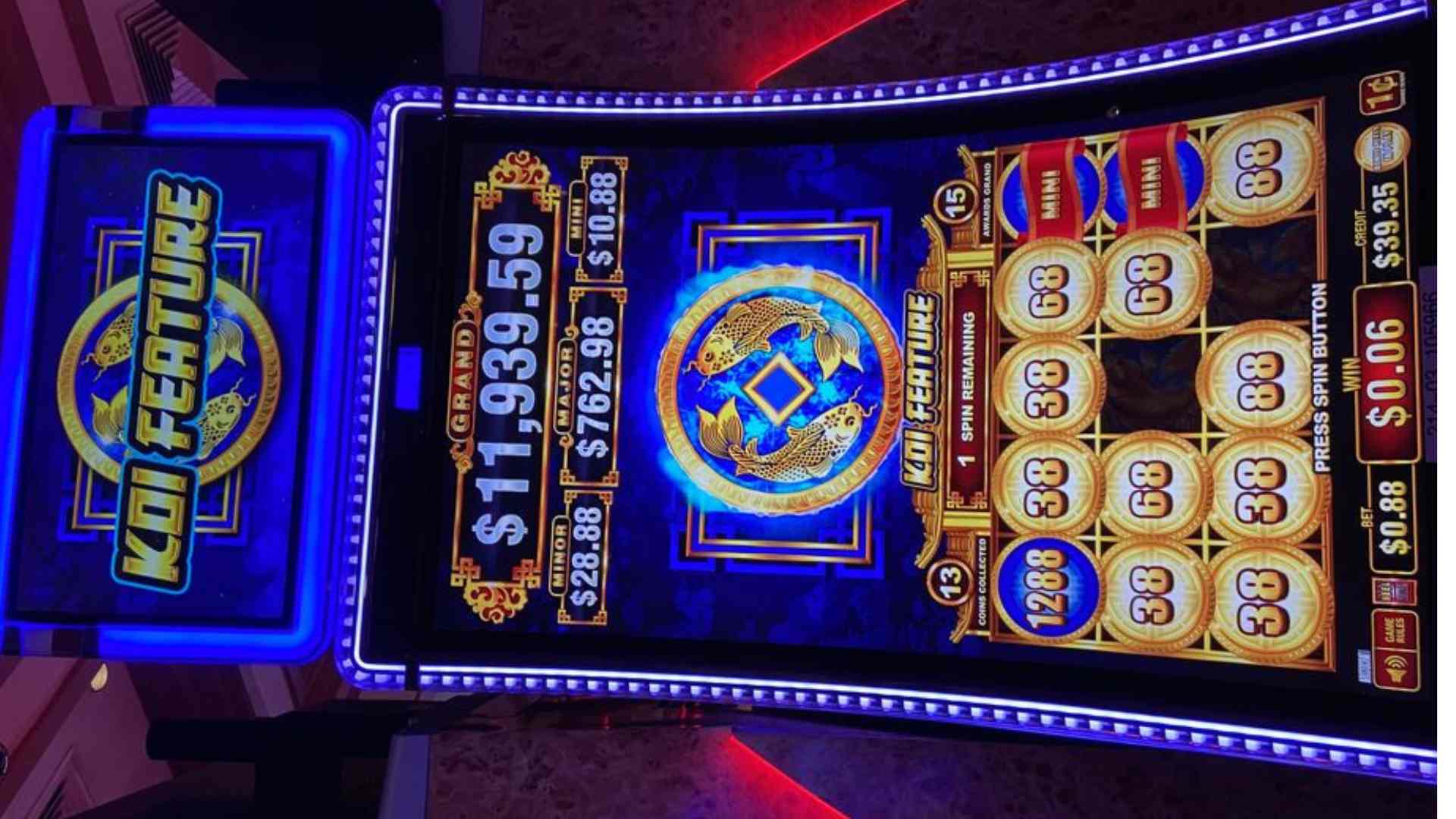
Many platforms now combine these expanded configurations with traditional gaming formats to capture a much broader target demographic. For example, individuals looking for advanced reel mechanics often explore an options-rich m88 slot login platform to see how developers blend classic randomness with deep visual progression. These hybrid systems successfully maintain long-term audience curiosity by ensuring that no two interactive sessions feel exactly identical.
Visual and Audio Systems Drive Immersion
A primary factor enabling a basic mechanical loop to sustain an entire game is the dramatic advancement in real-time aesthetic presentation. Modern software engines power fluid graphics, realistic physics simulations, and responsive particle effects that react dynamically to user input. These high-fidelity enhancements elevate a straightforward rotation into a spectacular visual event that commands the participant's full attention.
Furthermore, specialized acoustic engineering plays a defining role in building psychological tension throughout the runtime of a session. Adaptive soundscapes accelerate alongside the velocity of the movement and transition into celebratory scores upon reaching a standstill. This continuous sensory loop validates the player's time investment, turning simple feedback into an emotionally satisfying milestone.
The Long Term Impact on Digital Entertainment
The successful expansion of simple mechanics into complex ecosystems provides valuable blueprints for the future of casual software development. Industry experts anticipate that upcoming releases will integrate decentralized economies and procedural generation to push boundaries even further. This evolution will likely allow players to design, customize, and share their own interactive rotational systems across connected networks.
Ultimately, this design trend proves that engagement relies on elegant execution rather than overly complex introductory control configurations. By respecting the minimalist roots of classic formats while introducing modern depth, creators achieve an optimal balance of accessibility and longevity. The ongoing expansion of these core loops guarantees that the humble spinning mechanic will remain a foundational pillar of future game design.