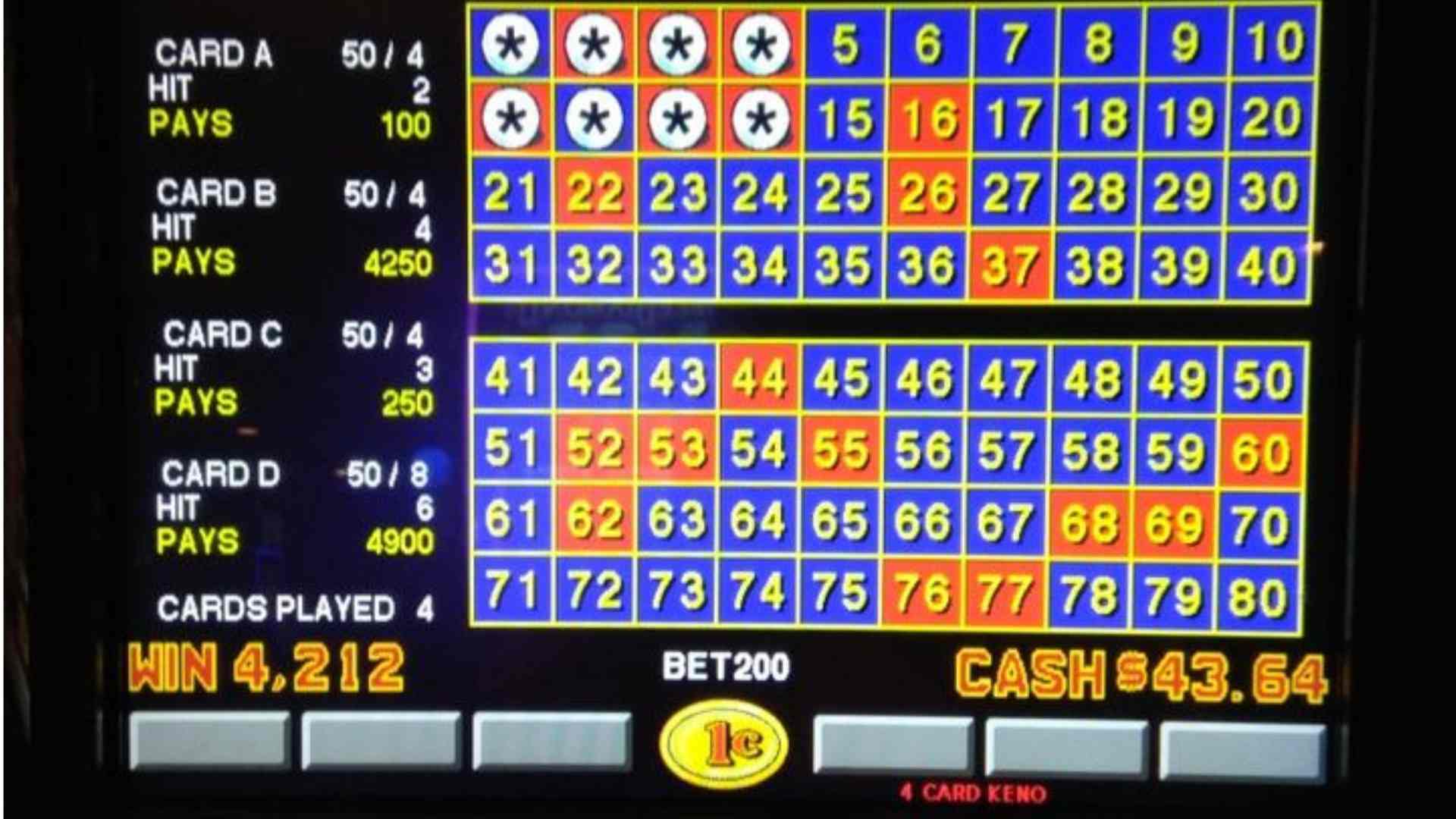
Integrating educational games into modern curricula has proven to be an effective method for transforming how students interact with complex mathematical concepts. By introducing probability games into the classroom, educators can shift the focus from passive memorization to active problem-solving. This interactive approach helps students naturally develop statistical thinking skills while maintaining high engagement levels.
The Core Benefits of Gamified Statistics
Traditional mathematics instruction often relies heavily on formulas, which can seem abstract and intimidating to younger learners. Probability-focused gaming provides a tangible environment where abstract numbers turn into real-world outcomes. Through these challenges, students observe the immediate relationship between calculated data and unexpected outcomes.
Experiencing these theoretical outcomes firsthand helps build a solid foundation for long-term quantitative literacy. Rather than simply calculating variables on paper, players see patterns emerge through repeated trials. This dynamic shifts their mathematical perspective from guesswork to data-driven confidence.
Developing Strategic Decision-Making Skills
Probability activities do not just teach numbers; they simulate the complex choice architectures found in everyday modern environments. Students are forced to analyze potential risks dynamically and adapt their strategies to changing parameters. This practice trains the prefrontal cortex to process structured analytical models rather than emotional reactions.
Understanding independent and dependent variables allows participants to evaluate risk with much greater clarity. For instance, exploring traditional digital variations such as an online M88 togel simulation helps show how random number distribution operates over extended periods. Recognizing these systems ensures that students approach unexpected real-world hurdles with a systematic mindset.
Fostering a Healthy Relationship with Uncertainty
Human psychology naturally seeks absolute certainty, which often leads to cognitive biases like the gambler's fallacy. Probability exercises help debunk these mental traps by demonstrating the true nature of independent random events. By accepting unpredictability in a safe environment, students learn to manage expectations effectively.
Learning to make optimal choices under uncertainty reduces academic anxiety and enhances general resilience. Players realize that a negative outcome does not necessarily mean they used an incorrect strategy. This balanced perspective transforms failure into a valuable data point for future attempts.
Practical Implementation in Modern Classrooms
Educators can seamlessly introduce these concepts using simple tabletop activities like card challenges or multi-coin tosses. The main goal should be tracking the frequency of variations rather than trying to predict exact results. Over time, these basic habits cultivate a deep intuitive grasp of numerical distributions.
Digital platforms also offer specialized interactive tools that allow students to observe thousands of automated trials instantly. Combining physical actions with fast digital feedback maximizes the overall learning efficiency. With consistent exposure, the world of statistical calculations becomes both accessible and deeply rewarding.