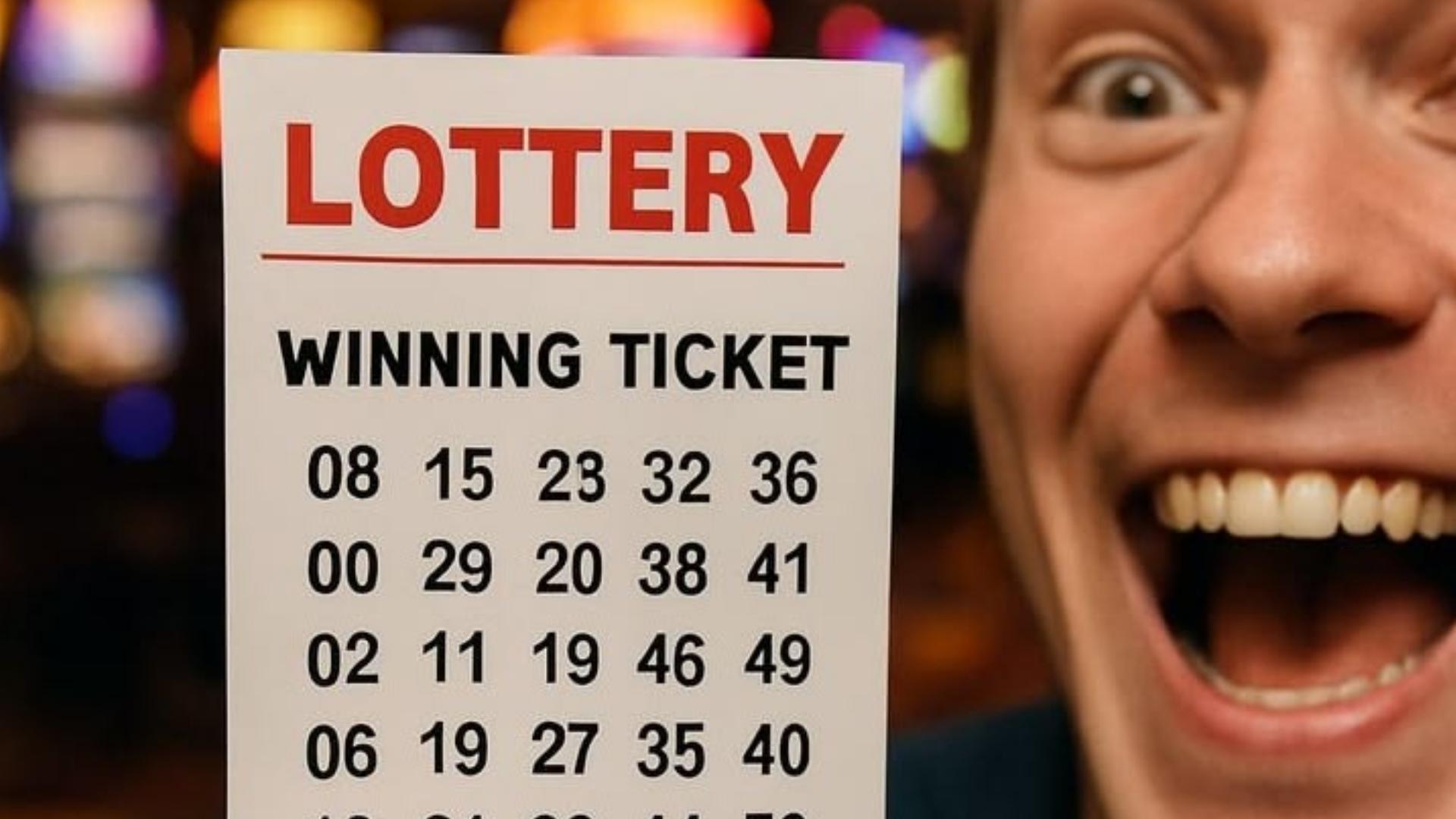
Many casual ticket buyers view purchasing a lottery ticket as a harmless form of entertainment rather than traditional wagering. However, examining the core mechanics of lotteries reveals a direct connection to broader definitions of risk and chance. Understanding this relationship helps clarify how public perception often separates lottery draws from traditional casino gaming.
Defining the Mechanics of Risk and Reward
At its core, gambling involves risking valuable assets or money on an event with an uncertain outcome in hopes of gaining a profit. Purchasing a lottery ticket strictly fits this definition because players stake capital on random draw results. The primary difference lies in the payout structure and the long odds associated with major lottery jackpots.
Unlike table games where decisions can influence short-term variance, lotteries depend entirely on independent random probability. Every ticket holder shares the exact same statistical expectation regardless of chosen numbers or buying strategies. This fundamental structure reinforces the classification of lotteries as a pure game of chance.
Cultural Perception vs Regulatory Reality
Societies often treat government-run lotteries differently than commercial casinos or sports betting outlets. Because public lotteries frequently fund infrastructure, education, or civic programs, the public perceives them as socially acceptable civic games. Regulators, however, define all forms of real-money wagering under the same legal umbrella to protect consumers.
Modern digital platforms have expanded how participants access gaming and betting entertainment worldwide. Mobile options like ทางเข้าm88 มือถือ demonstrate how online access connects diverse forms of wagering onto accessible personal devices. Regardless of the access method or platform, the underlying financial risk remains conceptually identical.
Psychological Factors in Ticket Purchases
The low entry cost of a single lottery ticket creates a low-perceived risk environment for most participants. Players often view the small purchase price as paying for the temporary excitement of anticipation rather than an investment. This psychological framing reduces the perceived association with typical high-stakes gambling behaviors.
However, frequent smaller purchases can accumulate into substantial expenditures over an extended period. Recognizing the cumulative impact of casual play helps consumers maintain healthy boundaries and realistic financial expectations. Awareness of these behavioral patterns is key to responsible participation across all chance-based activities.
Promoting Balanced Awareness and Responsible Play
Understanding that lotteries are mathematically a form of gambling empowers individuals to make informed choices. Treating ticket purchases as entertainment expenses rather than financial planning strategies protects personal budgets. Clear disclosure of odds and potential risks ensures that participants remain fully aware of their actual probabilities.
Ultimately, framing lotteries correctly fosters a safer gaming environment for the public. Recognizing the shared elements between lotteries and traditional betting encourages responsible habits and balanced participation.